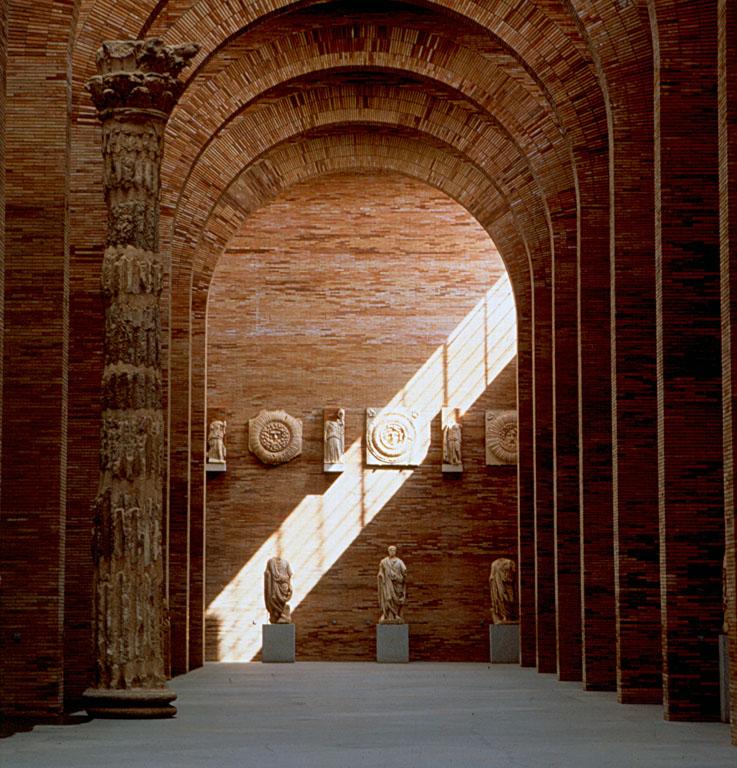
Every project begins within a set of specific conditions shaped by place and history. Topography, climate, orientation, existing structures, landscape and patterns of occupation form part of a reality that the project must understand.
We seek architecture that responds to these conditions with precision, establishing a clear relationship with what exists while making room for something new.
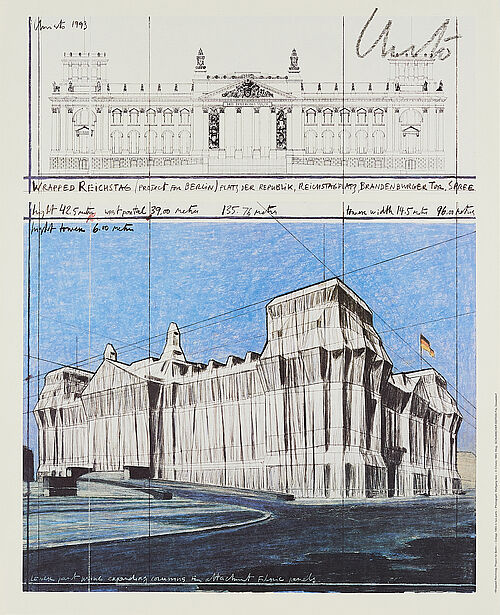
Architecture is shaped by memory and by a long, cumulative culture of buildings, ideas, construction methods, proportions and ways of inhabiting.
We work with this inherited knowledge not to reproduce it, but to understand, question and reinterpret it through the circumstances of each project.
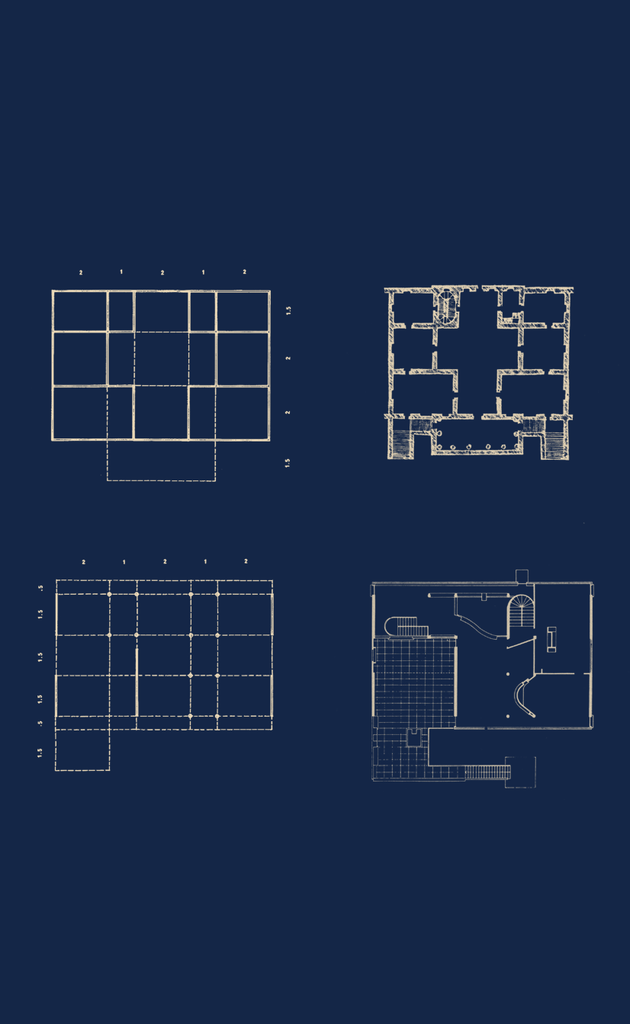
Architecture develops through recurring spatial structures, relationships and forms that accumulate knowledge over time.
We use typology as a way of understanding and organising space, not as a fixed model, but as a framework that can be reinterpreted in response to new functions, contexts and ways of living.
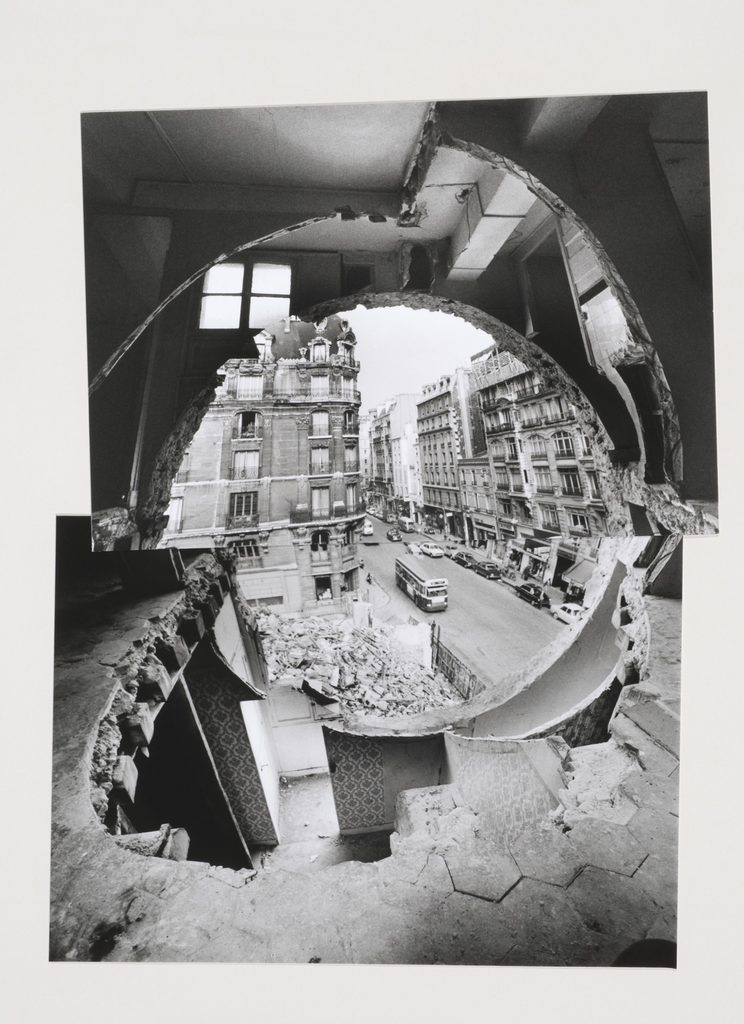
We understand design as a process of working with what already exists. Buildings, landscapes, materials, fragments and spatial relationships can become the starting point for new architectural possibilities.
Change does not require erasure. New interventions can establish different relationships with existing elements, allowing continuity and difference to coexist.
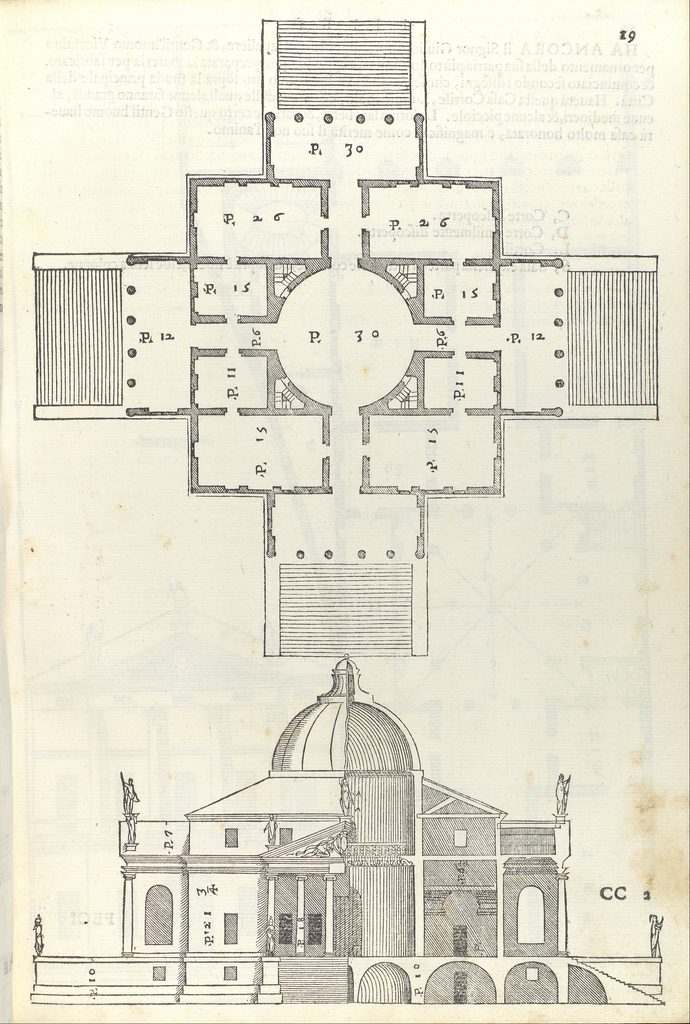
Architecture depends on the relationships established between spaces, structures and parts. Proportion, scale and hierarchy give coherence to the whole and connect architecture to the dimensions and movement of the body.
We seek spatial organisations that are clear without being rigid, capable of accommodating different uses while maintaining a strong underlying logic.
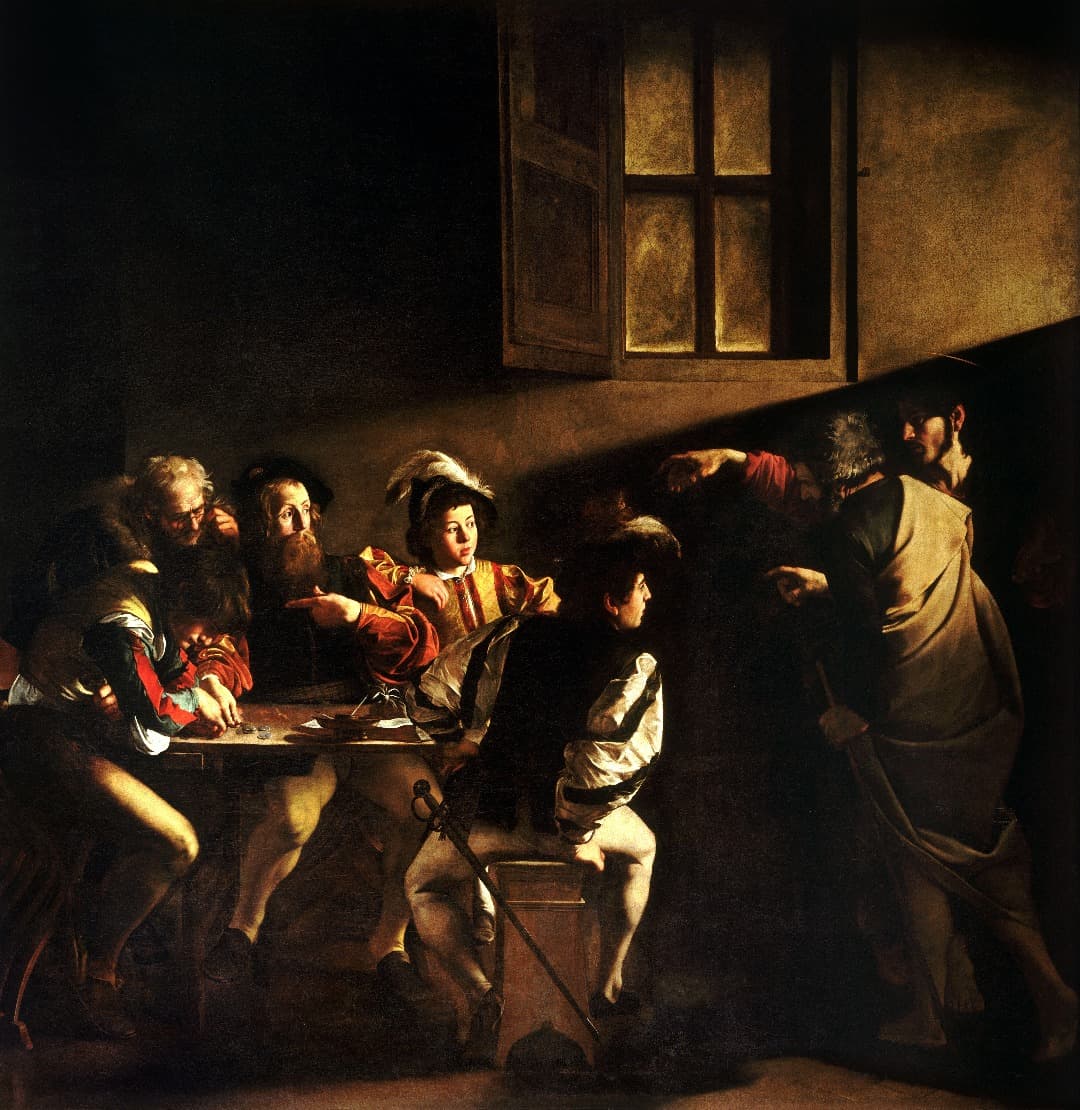
Architecture is experienced through movement. Approaching, entering, turning, ascending, crossing and arriving are all part of the project.
Light, shadow, thresholds, framed views, materials and changes in level help construct sequences that unfold gradually, shaping the character, comfort and atmosphere of interior spaces.
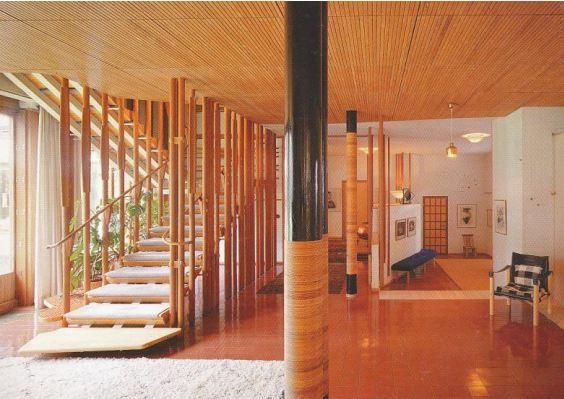
Architecture is inseparable from the way it is built. Structure, materials, joints and technical systems are integral to the architectural idea and its physical expression.
We value construction that is clear, economical and coherent, where detailing, materials and environmental performance reinforce the spatial intentions of the whole and contribute to comfort, durability and the quality of everyday use.
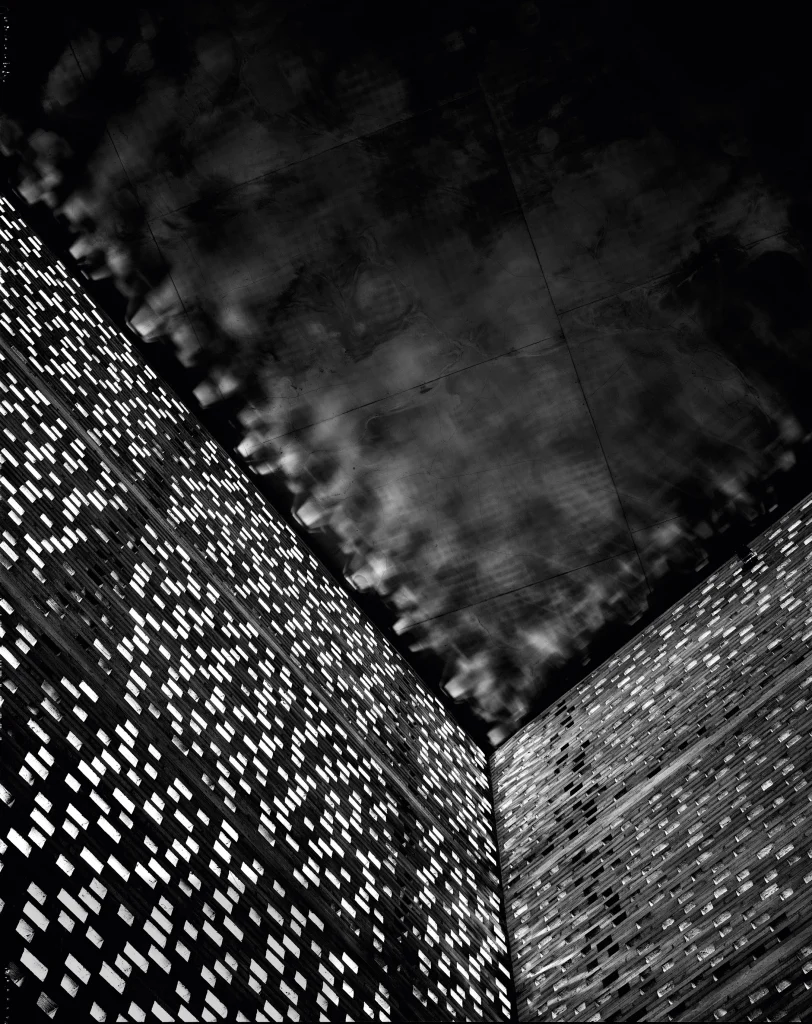
A building is never complete at the moment of construction. Use, weathering, occupation and change continue to shape it, revealing qualities that can only emerge through duration.
We seek architecture capable of retaining its identity while acquiring depth over time. A room and a window, the passage from shadow into light, a courtyard or a garden can give intensity to ordinary experience and become part of individual and collective memory.